AI Integration: What Happens After the Pilot?
24/09/26
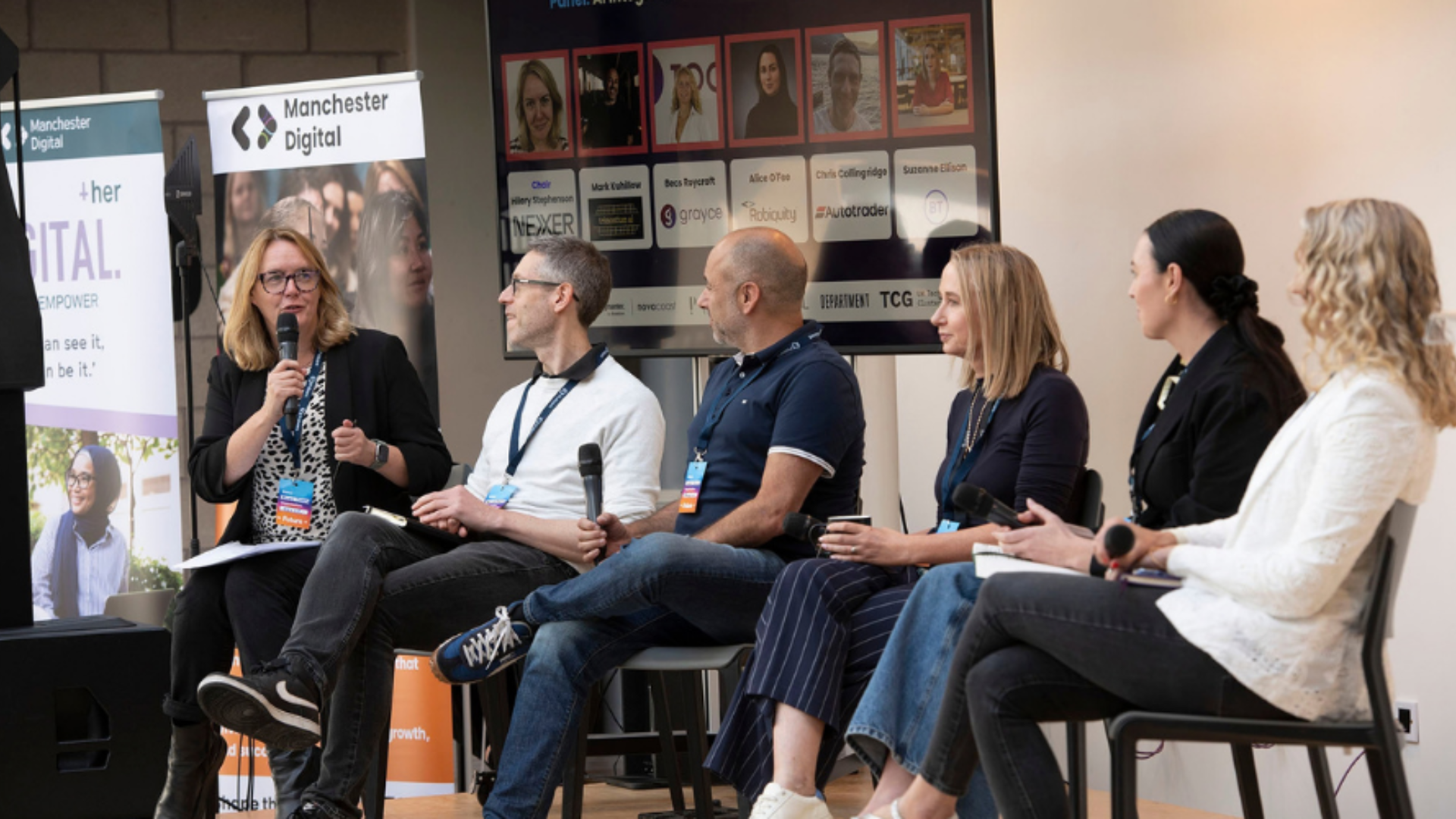
At this year's Manchester Digital Future, industry leaders came together to explore one of the most important questions facing organisations today: what does successful AI adoption actually look like beyond the pilot phase? While many businesses have embraced AI experimentation, far fewer have successfully embedded it into day-to-day operations in a way that delivers measurable, sustainable value.
Representing Grayce on the panel, Becs Roycroft, CEO of Grayce, shared insights from her experience supporting organisations through technology and transformation programmes. A key theme that stood out from the discussion was that AI adoption is no longer primarily a technology challenge. The real test lies in leadership, culture and change management.
Moving Beyond AI Experimentation
Across industries, organisations have invested heavily in proofs-of-concept and pilot programmes. Yet many remain stuck in a cycle of testing without achieving meaningful scale.
The panel explored why this happens. While technology teams can often build and validate solutions quickly, scaling AI requires far broader organisational buy-in. Leadership sponsorship, governance, business ownership and adoption all become critical factors once AI moves beyond experimentation.
As Becs highlighted during the discussion:
"The organisations that will succeed with AI won't necessarily be those with access to the most advanced technology. They're the ones that create the right balance between leadership, governance, culture and change management. Bringing people, process and technology together remains the foundation of every successful transformation."
For organisations navigating increasingly competitive markets, this is a timely reminder. Competitive advantage won't come simply from having access to AI tools. It will come from knowing how to integrate them effectively across the business.
Manchester's Growing Role in the AI Economy
The discussion took place at an exciting time for the region. Manchester was recently named the UK's most AI-ready city for the third consecutive year, underscoring the city's growing reputation as a hub for innovation, technology talent and digital transformation.
However, strong AI capability doesn't automatically translate into business outcomes.
Throughout the session, panellists reflected on the disconnect many organisations face between AI ambition and AI adoption. While leaders recognise the opportunities AI presents, questions around governance, risk, value measurement and workforce readiness often slow progress once organisations attempt to scale initiatives beyond pilot environments.
The Human Side of AI Transformation
One of the most thought-provoking themes of the discussion centred around people.
As AI becomes increasingly embedded into everyday work, concerns around skills, workforce development and future talent continue to grow. The panel was clear that AI isn't taking away the need for skilled professionals. If anything, it's making their expertise even more valuable.
Critical thinking, judgement, stakeholder engagement, problem-solving and leadership remain essential for ensuring AI delivers the right outcomes. Organisations still need people who can challenge assumptions, interpret results and make informed decisions.
At Grayce, we see this firsthand. The future isn't AI or people, it's AI and people working together. As organisations transform, there remains a vital role for next-generation talent to drive adoption, manage change and bridge the gap between technology and business outcomes.
Governance as a Competitive Advantage
Another important takeaway was the need to balance innovation with governance.
As organisations deploy AI across functions and teams, concerns around data security, compliance and knowledge leakage are becoming increasingly important. Successful organisations are embedding governance from the outset rather than treating it as an afterthought.
Those that create clear frameworks around responsible AI use, data management and adoption are more likely to scale successfully while maintaining trust with customers, employees and stakeholders.
Looking Ahead
If there was one overarching lesson from Manchester Digital Future, it was that successful AI integration goes far beyond deploying new technology.
The organisations creating lasting value will be those that combine strong leadership, effective change management, clear governance and a commitment to developing their people alongside their technology investments.
As AI continues to reshape industries, the businesses that thrive won't necessarily be those running the most pilots. They'll be the ones that successfully turn experimentation into adoption, innovation into outcomes and technology into meaningful transformation.