Insights from the Digital Transformation Conference 2025: AI, Change Leadership, and Equipping Talent to Drive Success
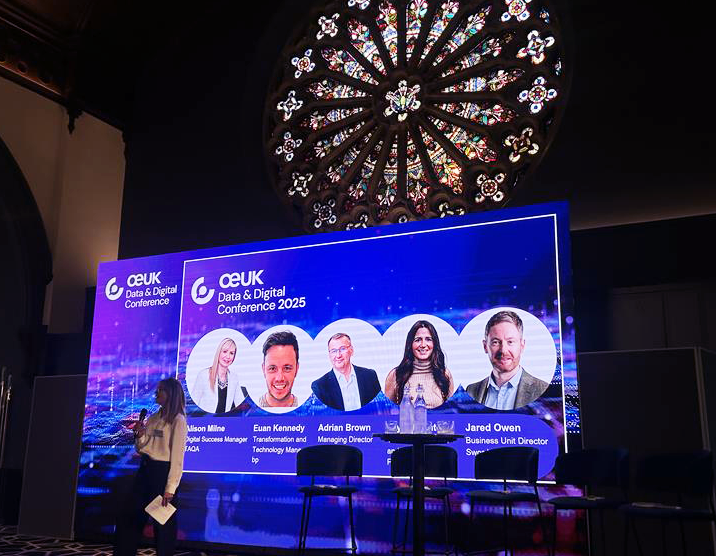
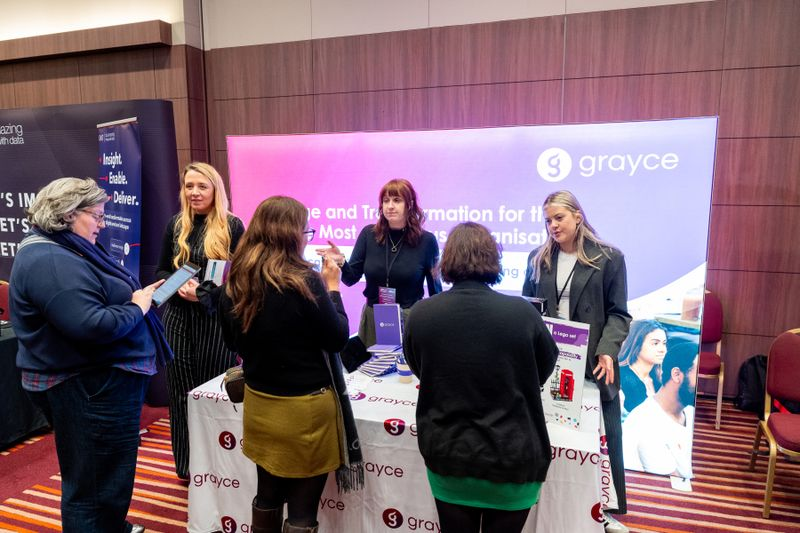
Last week, Grayce was at the heart of the action at the Digital Transformation Conference London 2025, co-located with the AI in Business Conference. We connected with senior leaders, technology strategists, and change professionals, listened to fascinating talks from thought leaders, and enjoyed lively discussions about the real-world impact of AI and digital transformation. It was energizing to hear where organizations are on their AI journeys, how they’re building their roadmaps, and, crucially, how they see the value of emerging talent in driving innovation and fresh ways of working.
Conversations were dominated by the realities of AI implementation: the efficiency gains, the anxieties around automation, and the evolving role of Gen Z as AI-natives shaping the future of work. (Watch this space, our AI 2025 report is coming soon, exploring Gen Z, AI, and the changing landscape of entry-level roles.)
Check out some of our key takeaways:
Sharon Christiaan: Data Storytelling, Trust, and the Human Side of AI
Sharon Christiaan’s session, “From Seven Hours to Seven Minutes: The AI Revolution in Data Storytelling,” was a masterclass in making data matter. Sharon began by highlighting a universal challenge: while AI can process and analyze vast datasets in seconds, the real impact comes when those insights are translated into stories that resonate with people and drive action.
Drawing inspiration from Florence Nightingale, the original data storyteller, Sharon explained that stories are “human survival technology.” She shared her own journey of transforming dry, technical reports into engaging narratives that not only informed but also inspired decision-makers to act. Sharon’s approach, which she calls “story verification,” involves using multiple AI models to generate different narratives, then cross-checking these with human intuition and operational experience. This method ensures that insights are robust, relevant, and trustworthy.
Sharon also tackled the issue of “AI hallucinations” (when AI generates plausible but incorrect narratives). Her solution is to always include “confidence markers” in reports, transparently indicating how certain the AI is about its findings. By weaving uncertainty into the story, Sharon builds trust and encourages action. Her key message for leaders: don’t just present numbers- wrap them in context, challenge, and resolution. That’s how you turn data into decisions and foster a culture where AI is a trusted partner, not just a technical tool.
Richard Adams: Data, Dominoes, and the Human Factor
Richard Adams, Group Head of IT Architecture at DFTOperator, didn’t sugar-coat the realities of digital transformation. With 14 train companies, thousands of ticket types, and decades of legacy systems to wrangle, he made it clear: transformation starts with rock-solid data foundations. Without reliable, unified data, even the smartest AI or slickest tech won’t deliver lasting value.
But getting the data right is just the beginning. Richard painted a vivid picture of the integration challenge: connecting countless systems and processes, where every tweak can set off a domino effect across the business. Through this analogy, he painted a picture of a complex organization where one small change can trigger unpredictable consequences elsewhere, so leaders need to think big-picture, remain adaptable, and anticipate those ripples.
Above all, Richard championed the “human architecture” of transformation. Culture, behaviours, and adaptability are what make change stick. His advice for leaders: invest in your people as much as your technology, foster a culture that embraces complexity, and never underestimate the power of ongoing learning.
Ed Hornby: The Premier League’s Digital Transformation Playbook
Ed Hornby, Head of Transformation Delivery at the Premier League, offered a behind-the-scenes look at one of the world’s most recognizable brands, streamed in a mind-boggling 188 out of 195 countries. Ed’s team set out to transform not just the technology, but the entire fan experience, leveraging every available channel: game, broadcast, digital, social, and more.
The transformation was ambitious: overhauling infrastructure, migrating huge volumes of data, and launching new digital products to personalize and deepen fan engagement. Ed spoke candidly about the challenges of aligning stakeholders, managing ambiguity, and delivering at scale with 21 technology teams in play. He emphasized the importance of agility, collaboration, and a relentless focus on outcomes that matter to real people: fans, players, and partners.
A key learning from Ed’s journey was the value of creative problem-solving and adaptability. By fostering a culture of ownership and innovation, the Premier League has become more connected, resilient, and ready for the future. For leaders driving digital change, Ed’s story is a powerful reminder that transformation is a team sport, and success depends on harnessing the full potential of your people and technology.
The Future of Work: AI, Emerging Talent, and Organizational Success
The dominant theme at the conference was clear: AI is reshaping business, but people remain at the heart of successful transformation. Senior managers and technology leaders are reassuringly talking about the importance of retaining Gen Z in the workforce, who bring digital fluency, curiosity, and a willingness to challenge the status quo: key components of innovation.
At Grayce, we’re passionate about helping organizations harness the best skills and talent to deliver their programmes and achieve their transformation goals. If you’re a leader looking to build high-performing teams, drive business efficiency, and stay ahead in the digital age, get in touch today.